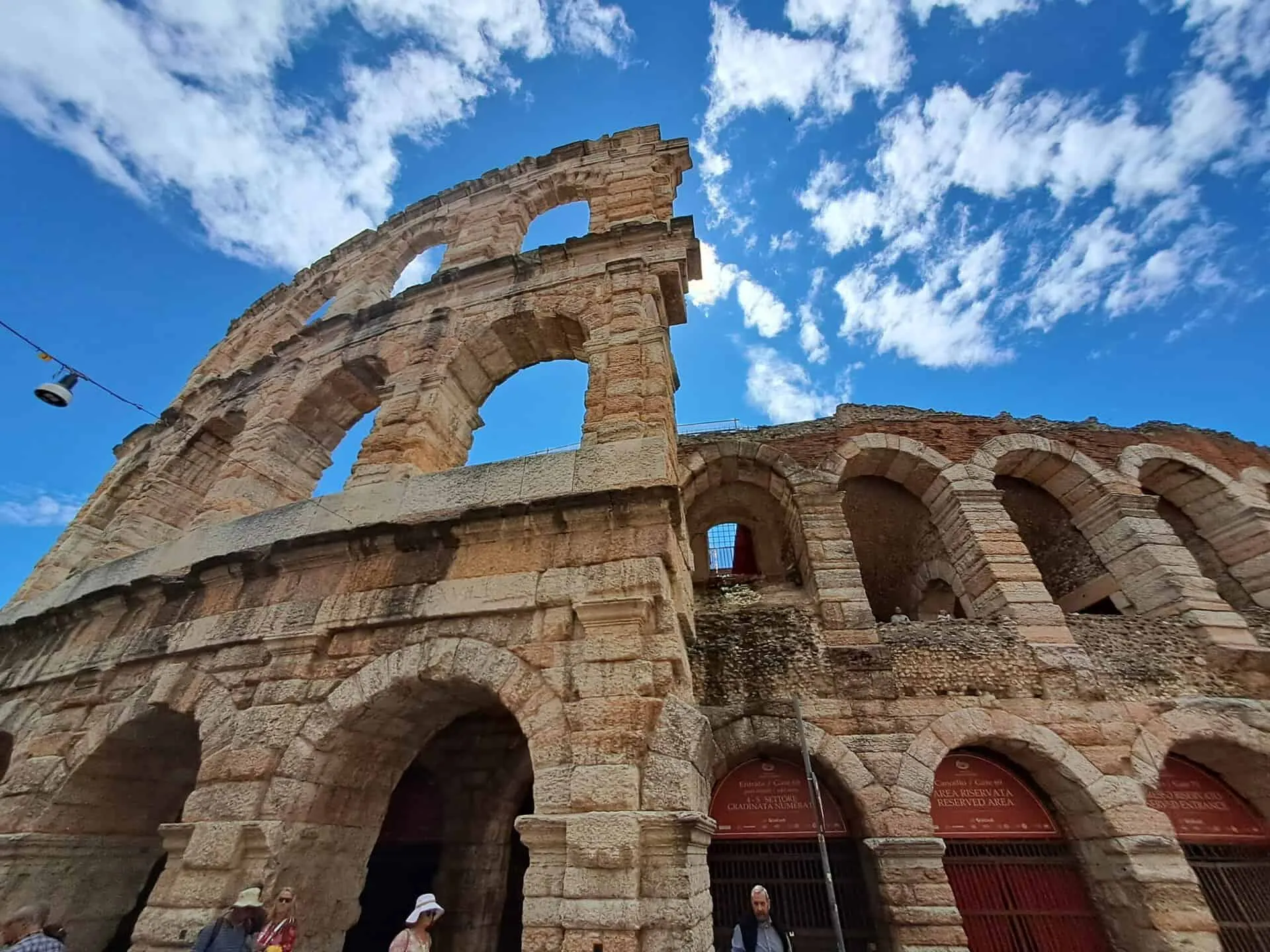
Origins and Roman Construction: How Verona’s Arena Was Built
From quarry to cavea: the Roman techniques, logistics, and structural choices that created Verona’s enduring amphitheatre.
→
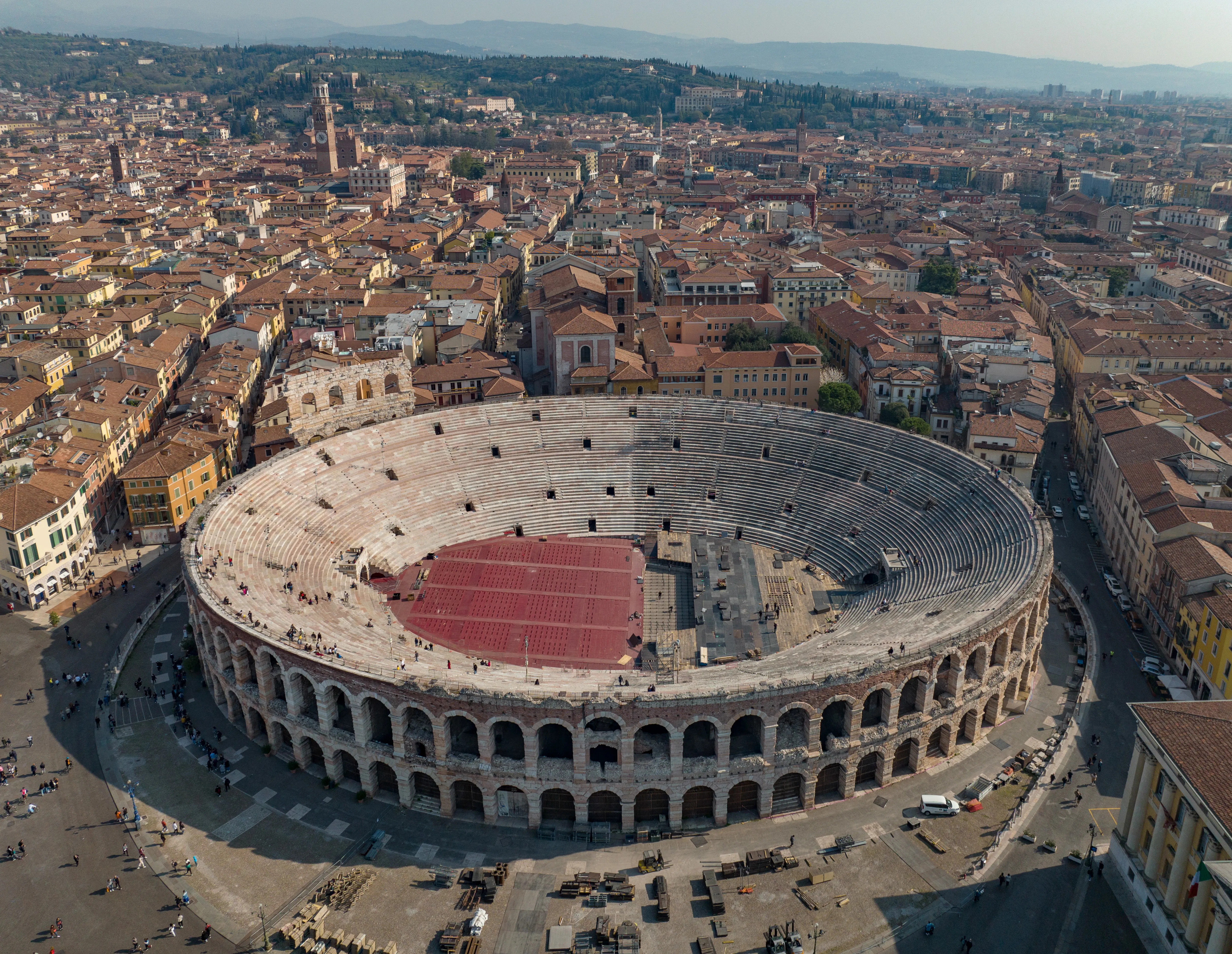
Ellipse and Scale: The Geometry and Dimensions of the Arena
Unpacking the amphitheatre’s elliptical plan, dimensional logic, and how geometry supports crowd flows and acoustics.
→
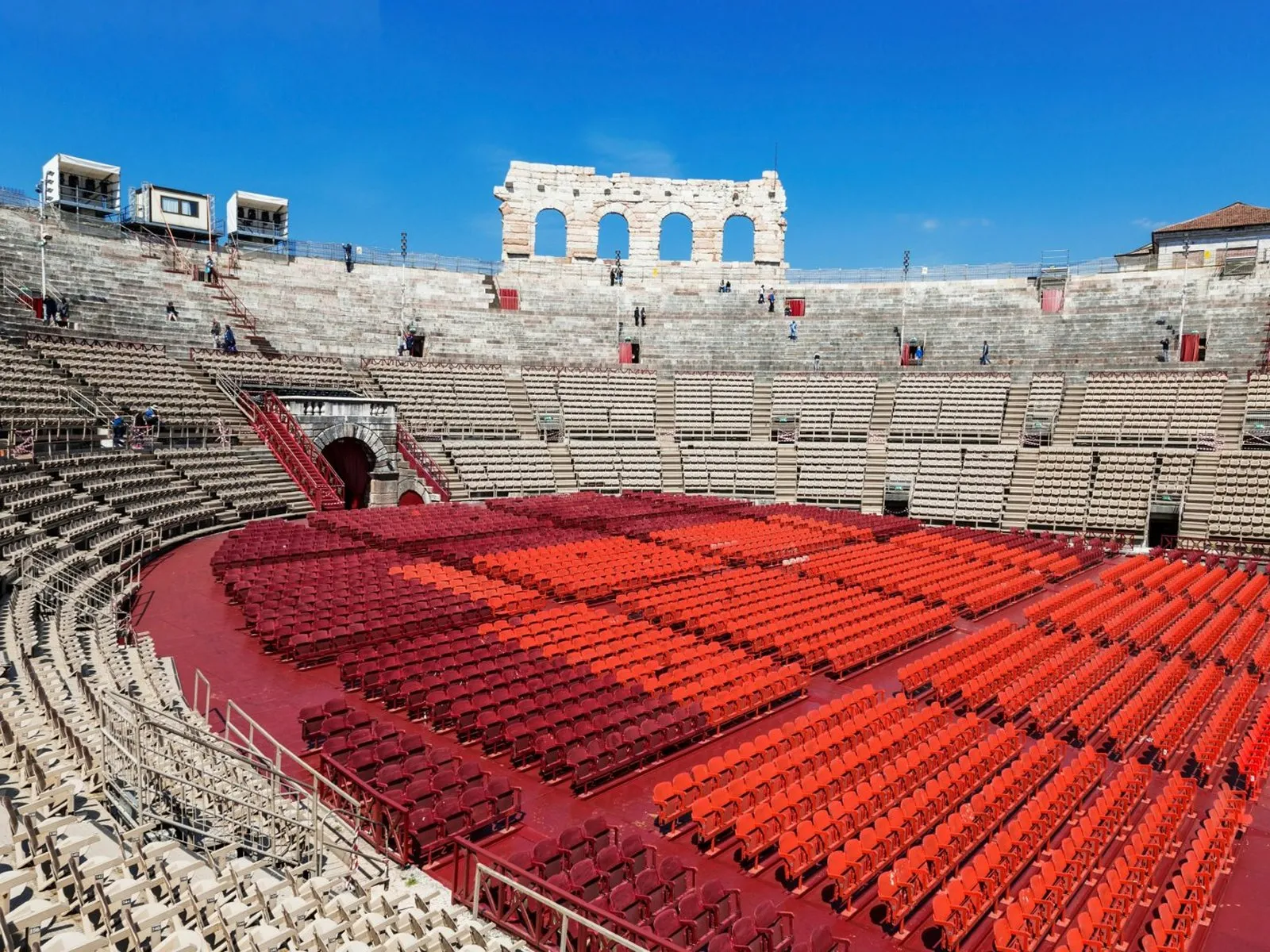
Cavea and Flow: Seating, Access, and Logistics in the Arena
How tiered seating, vomitoria, and stair vaults coordinate crowd movement with safety and speed.
→
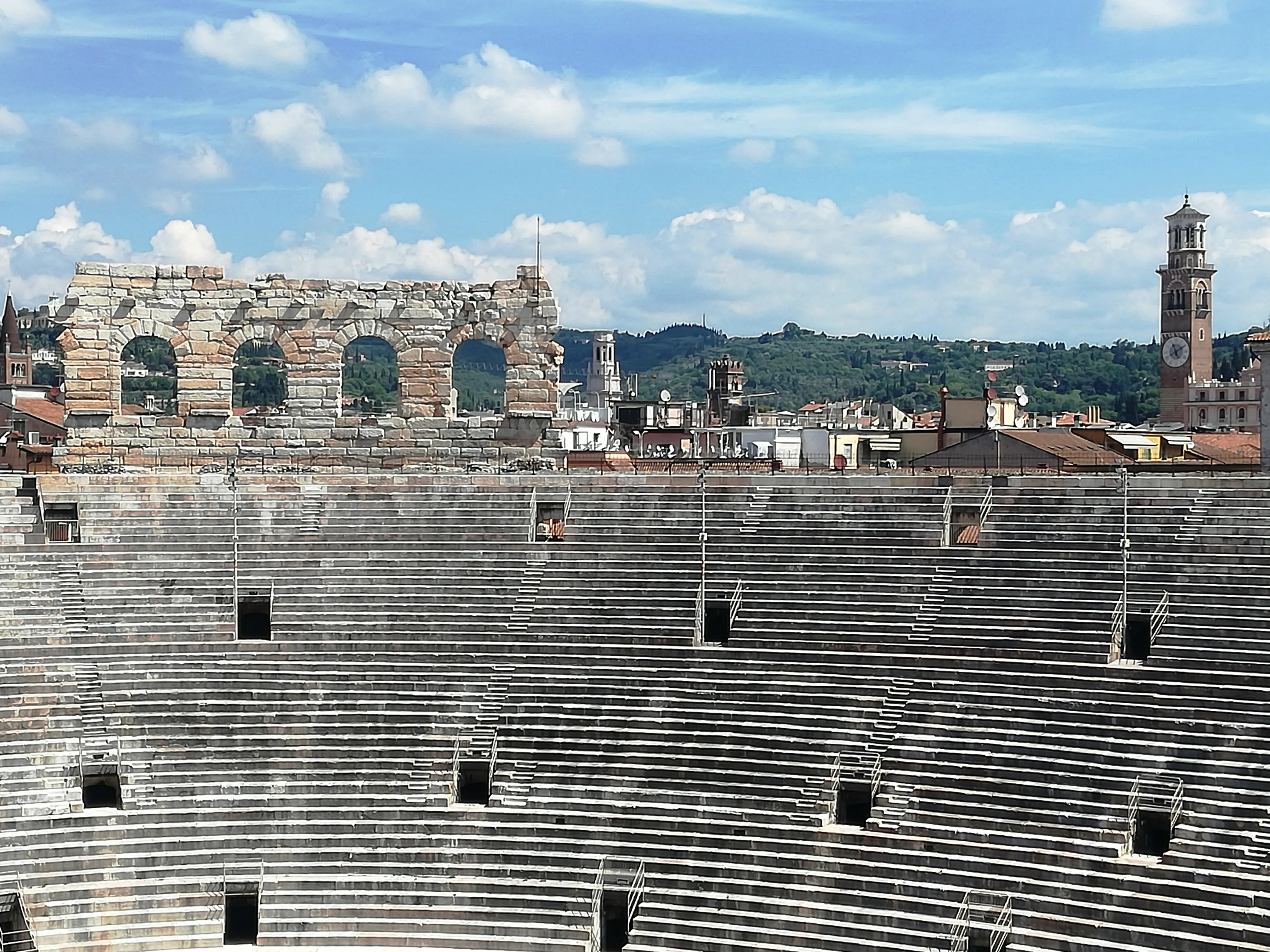
Spectacle in Antiquity: Programming the Roman Arena
From gladiatorial combats to staged hunts, how the arena programmed spectacle, safety, and logistics in the ancient age.
→
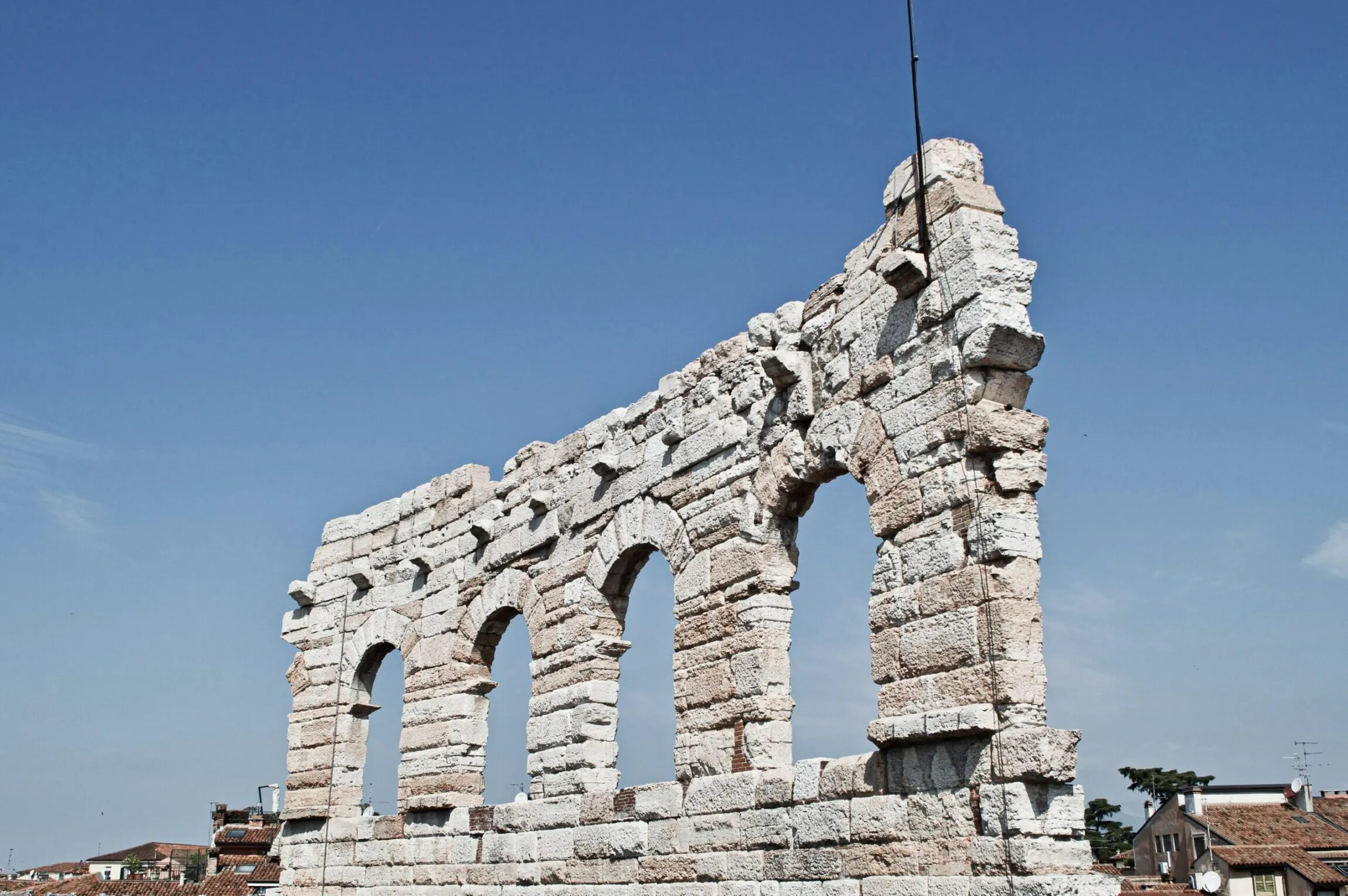
Gladiators and Economy: The Human Systems Behind the Arena
Training schools, contracts, and the economics of spectacle — the arena as a human system in Verona’s Roman age.
→
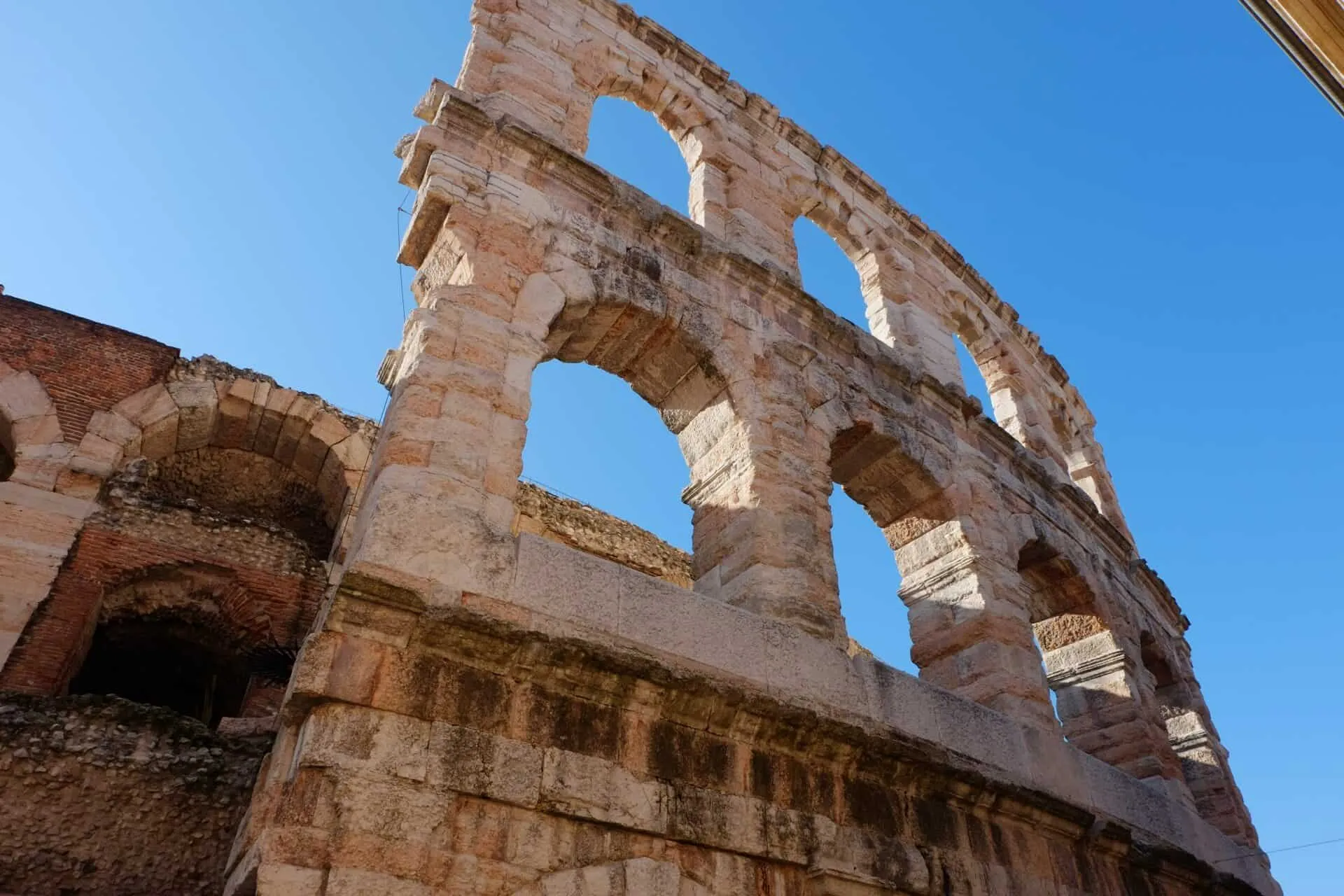
Stone, Mortar, and Time: Materials of the Verona Arena
The limestone, mortars, and micro-details that make the amphitheatre resilient to weather, load, and centuries.
→
Arches and Vaults: The Structural Language of the Arena
Why repetitive arches matter, how radial vaults knit the whole, and what that means for stability under crowd loads.
→
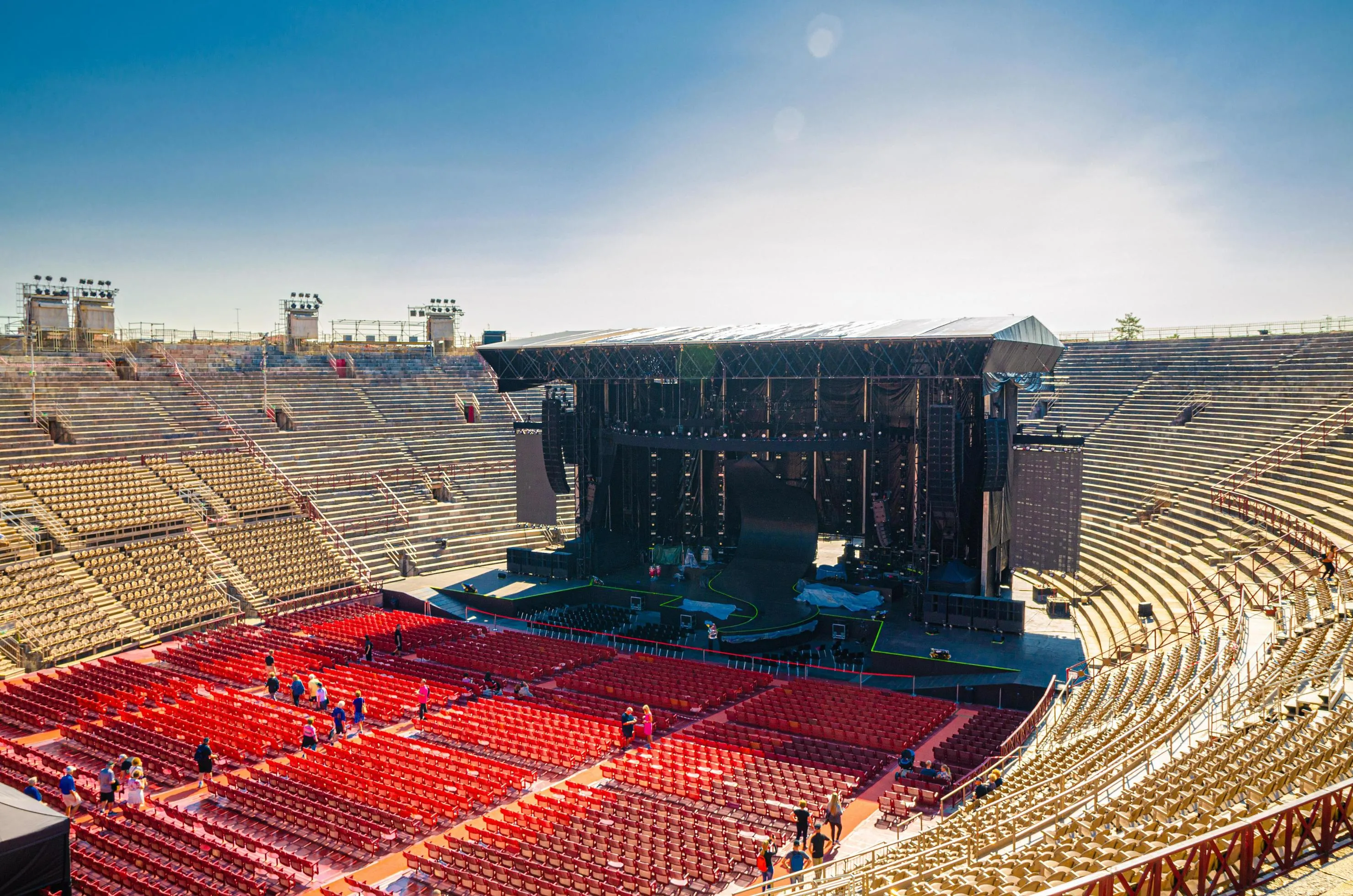
Acoustics: From Roman Intuition to Modern Enhancement
How form and materials shape sound, and how modern reinforcement respects the arena’s natural acoustic profile.
→
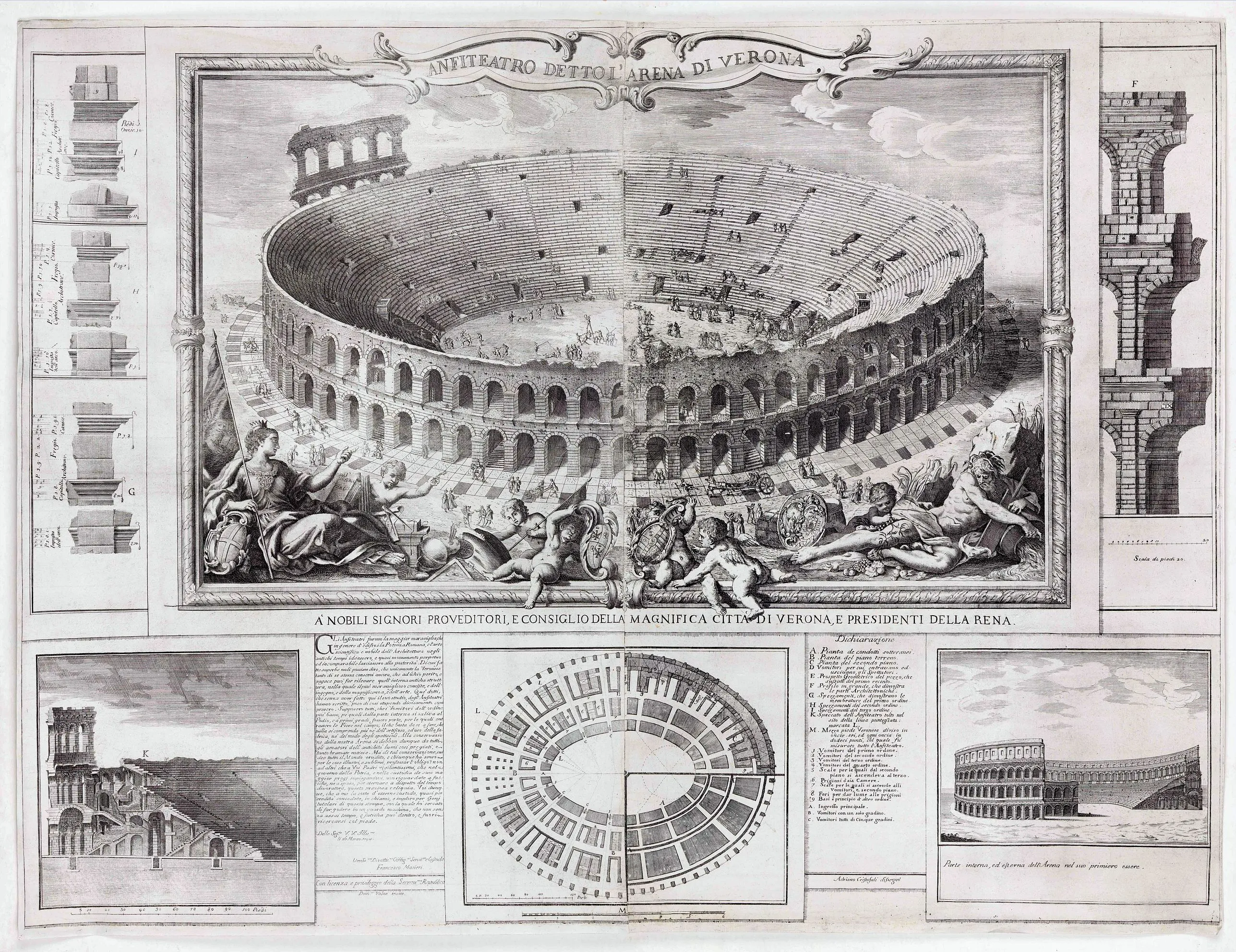
Between Ages: Medieval and Renaissance Uses of the Arena
From markets to fortifications, how the amphitheatre’s role shifted in medieval and Renaissance Verona.
→
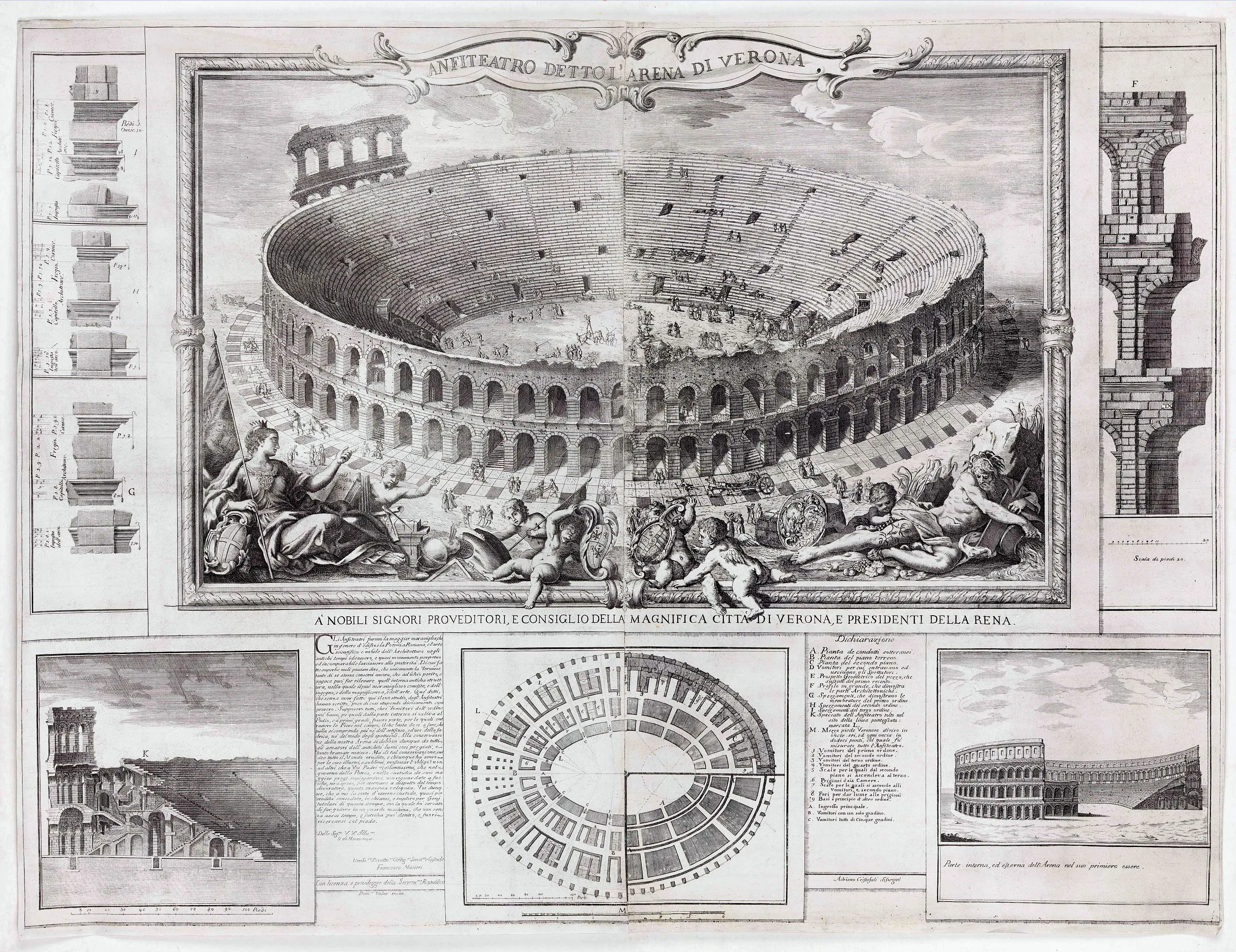
Renaissance to Baroque: Perceiving the Arena Through Time
How artists and engineers of the 16th–18th centuries drew, measured, and re-imagined the Arena.
→
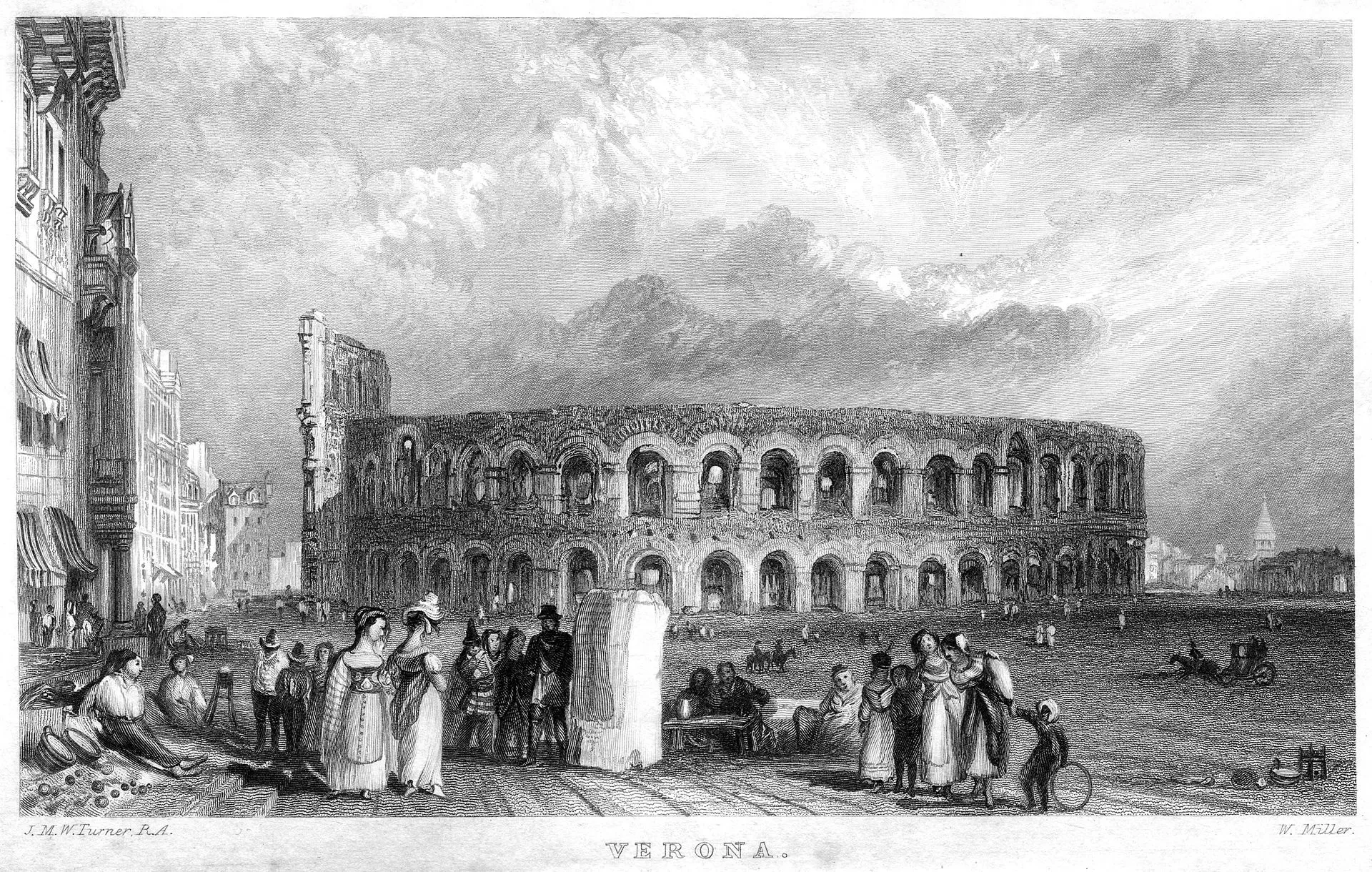
The 19th Century Turn: Restoration and Conservation Campaigns
Earthquakes, repairs, and the birth of modern conservation shaping the Arena’s 1800s trajectory.
→
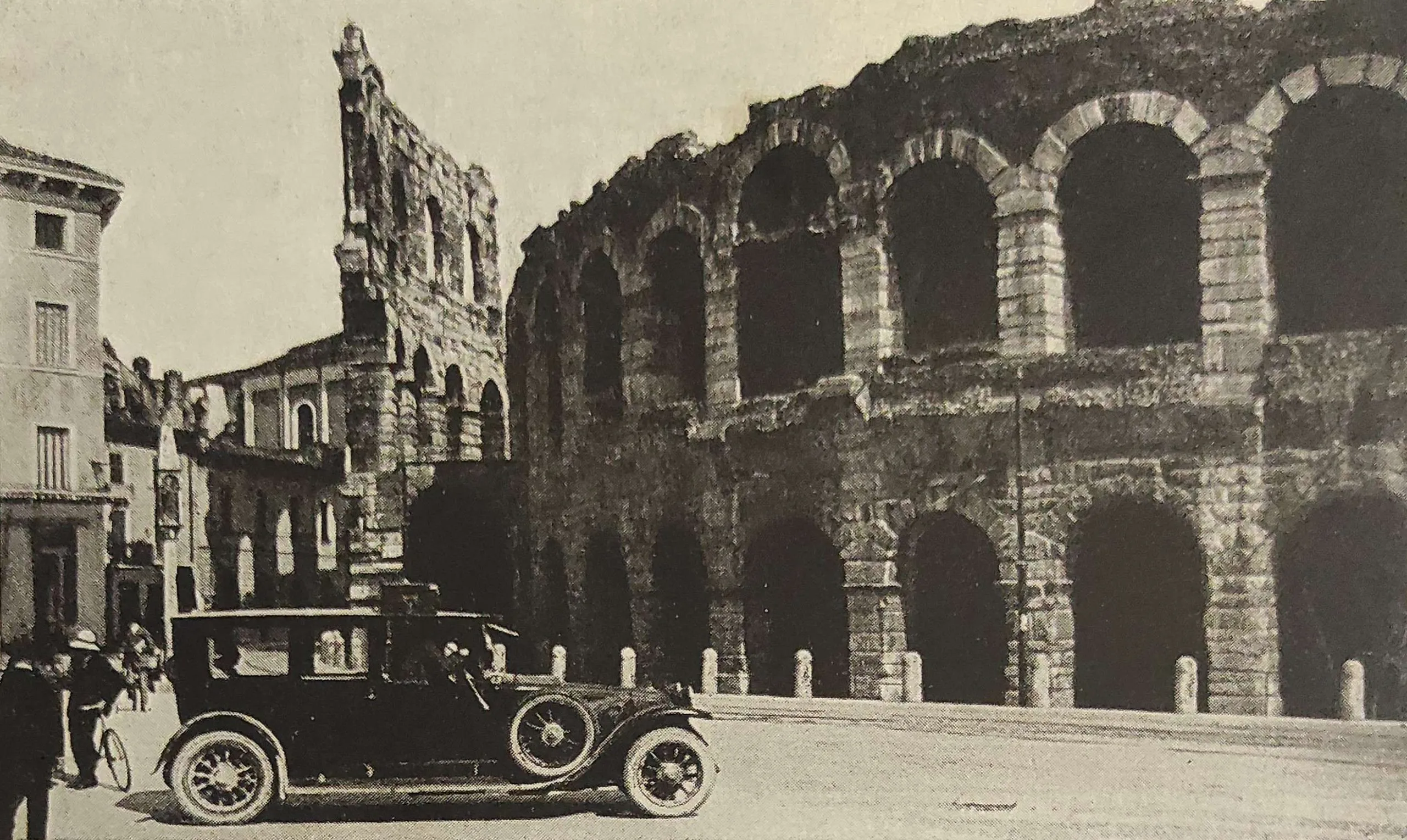
Early 20th Century: Modernization and Civic Life
From cars to civic events, the Arena enters the modern city with new interfaces and expectations.
→
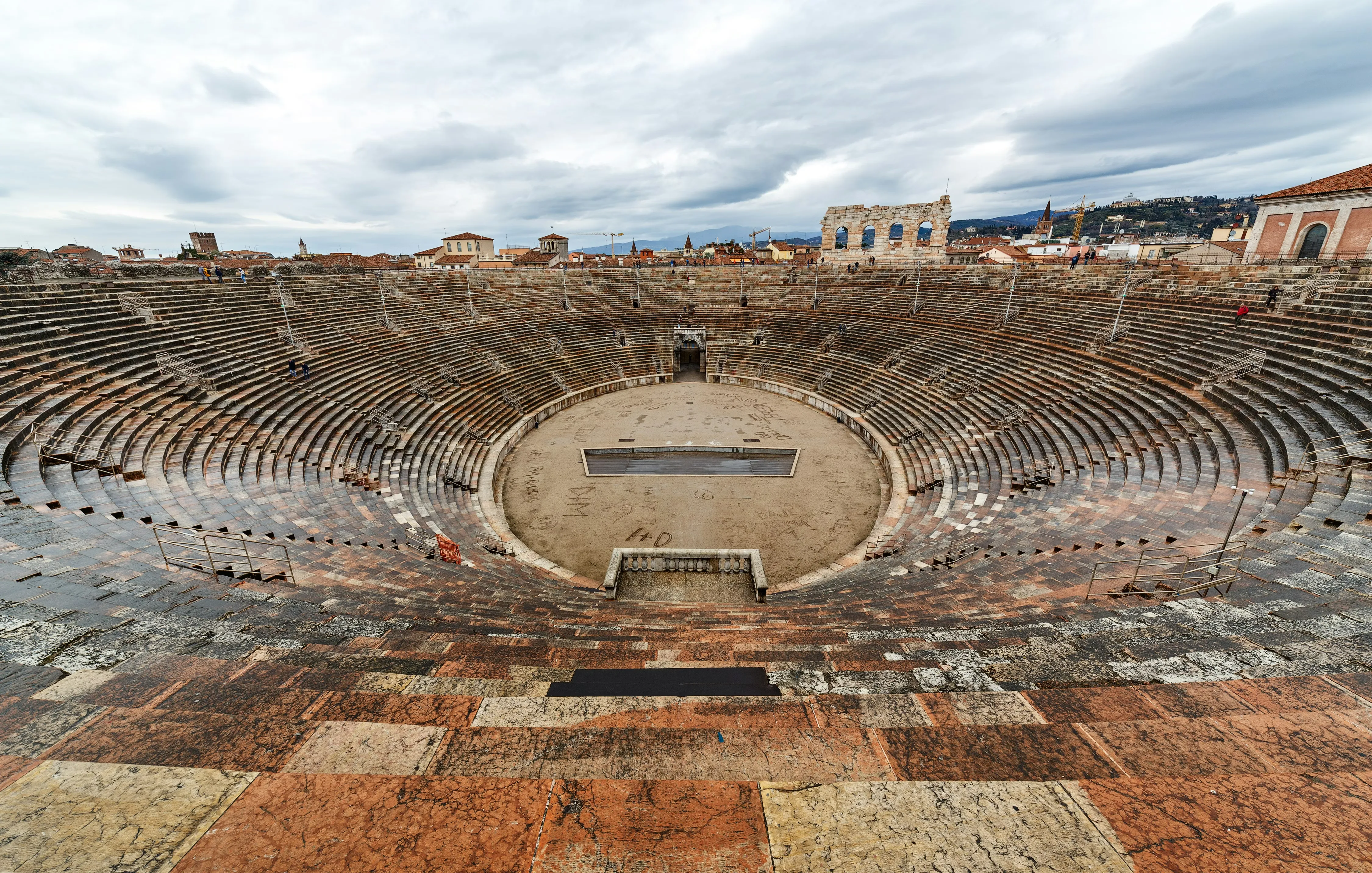
Opera at the Arena: A Century of Voices and Sets
The birth and evolution of Verona’s opera tradition — staging, voices, and the amphitheatre’s unique acoustics.
→
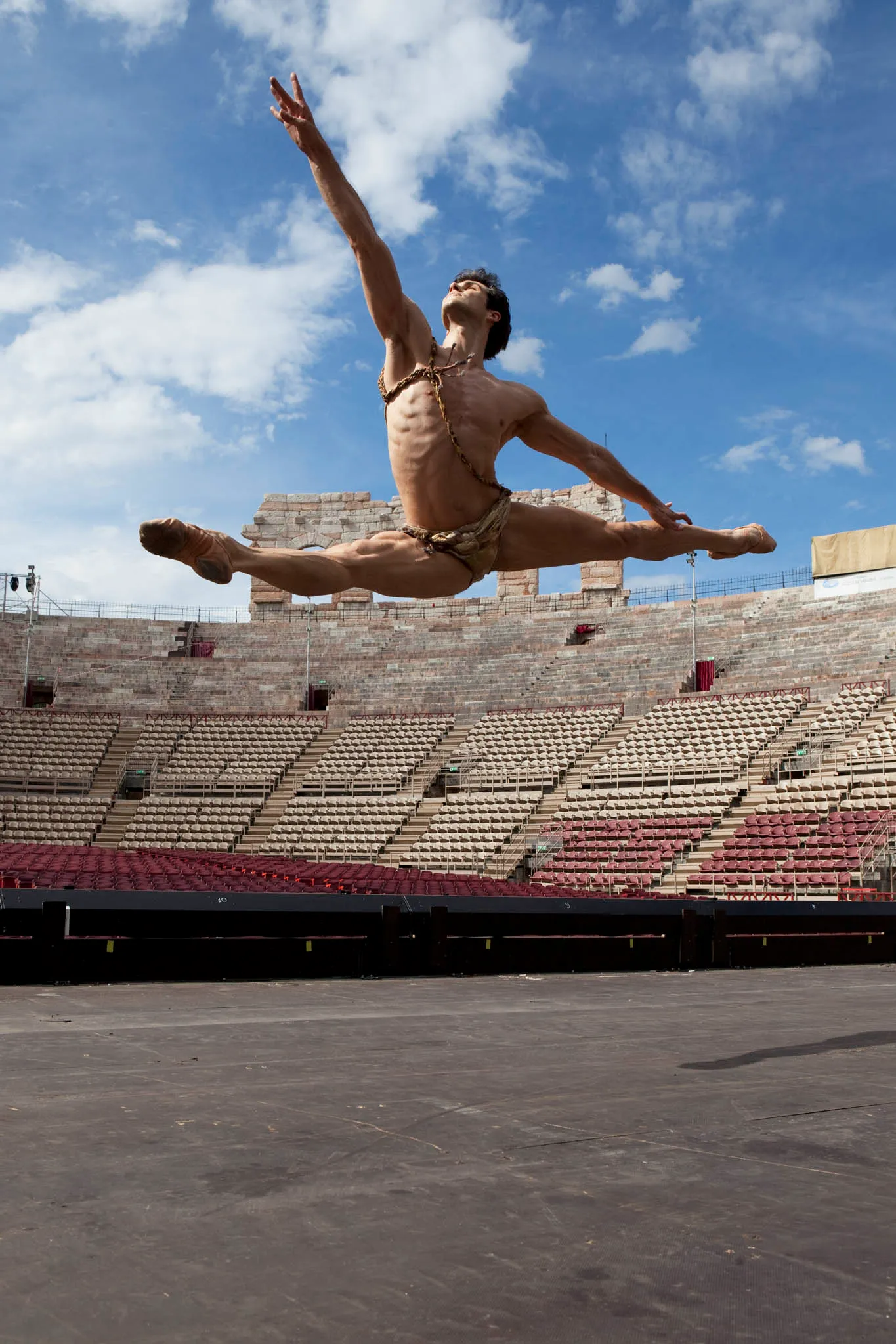
Stage Technology: From Manual Rigs to Digital Control
A look at rigging, automation, and safety — how modern stagecraft works in the Verona Arena.
→
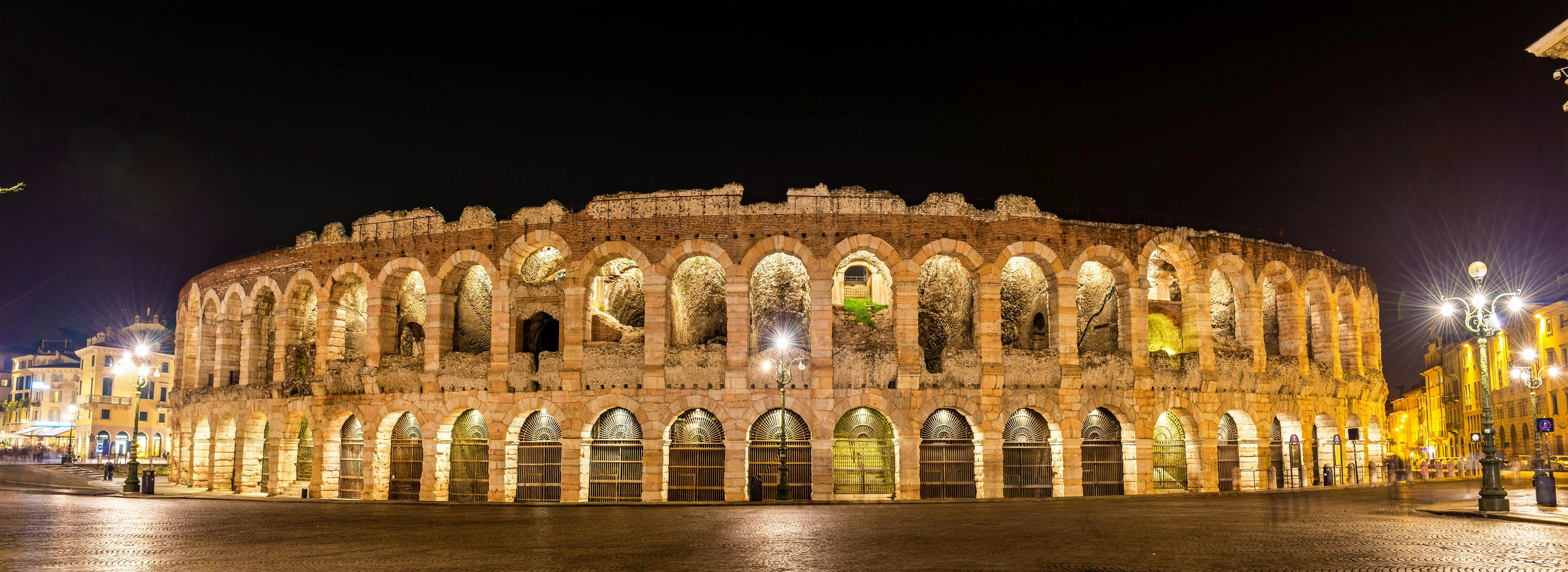
Lighting the Stone: Modern Era Illumination at the Arena
From architectural lighting to concert rigs, how luminaires paint the Arena at night.
→
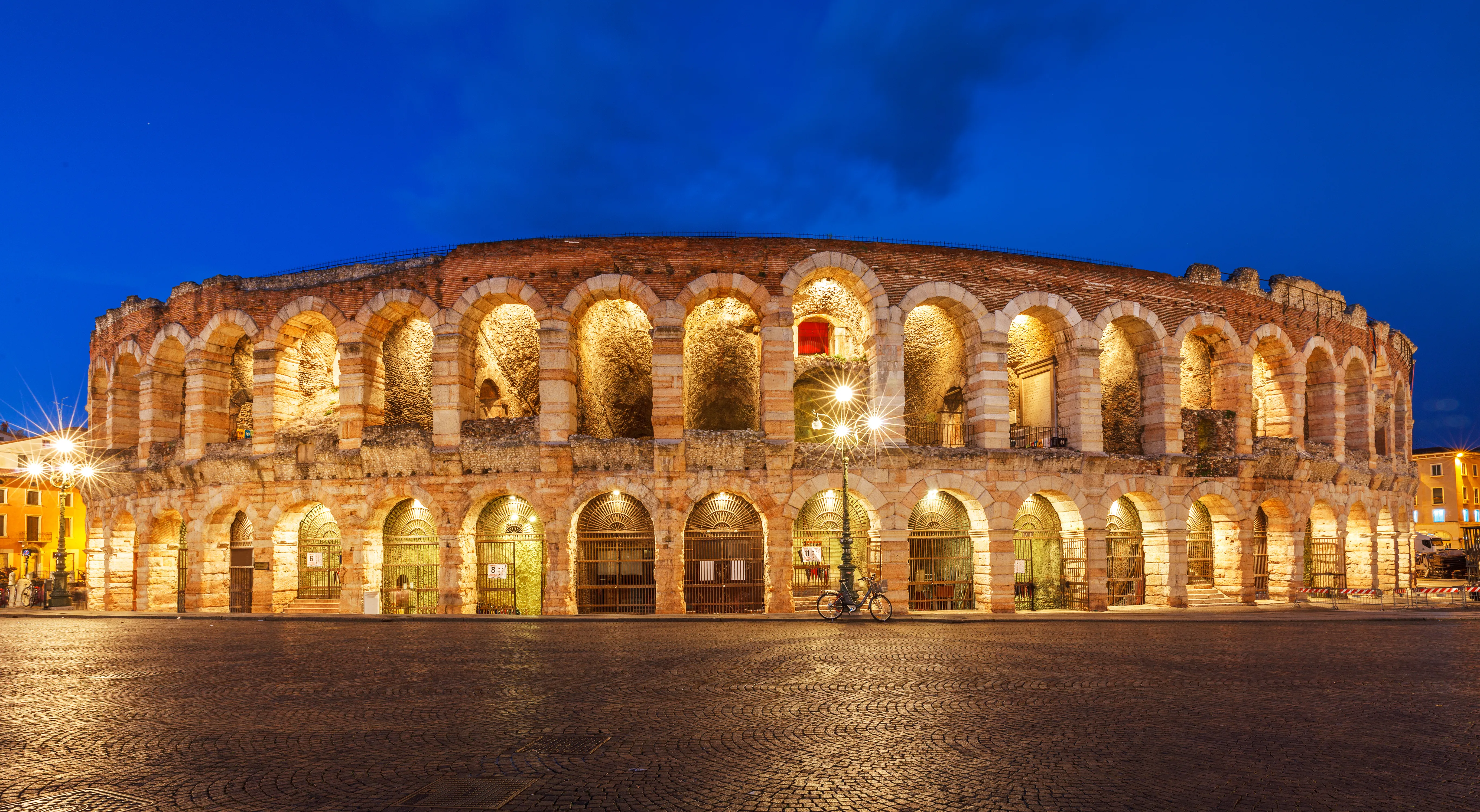
Night Exterior: Architecture in Light
A photographic and technical look at exterior lighting — mood, heritage, and the city’s nighttime fabric.
→
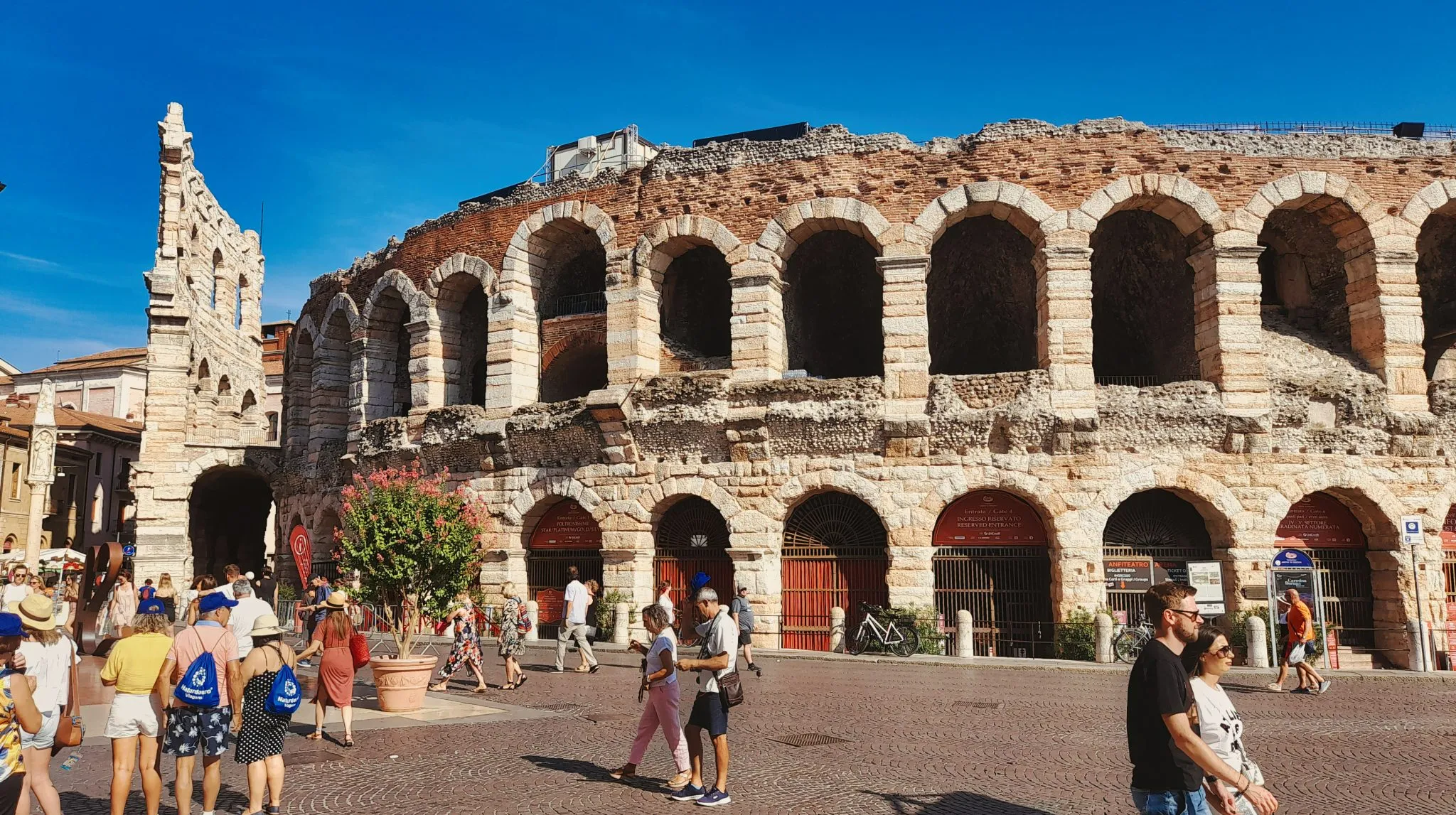
Crowd Management: Ingress, Egress, and the Human Flow
Models and practices for safe, efficient movement before and after shows — from ancient logic to modern protocols.
→
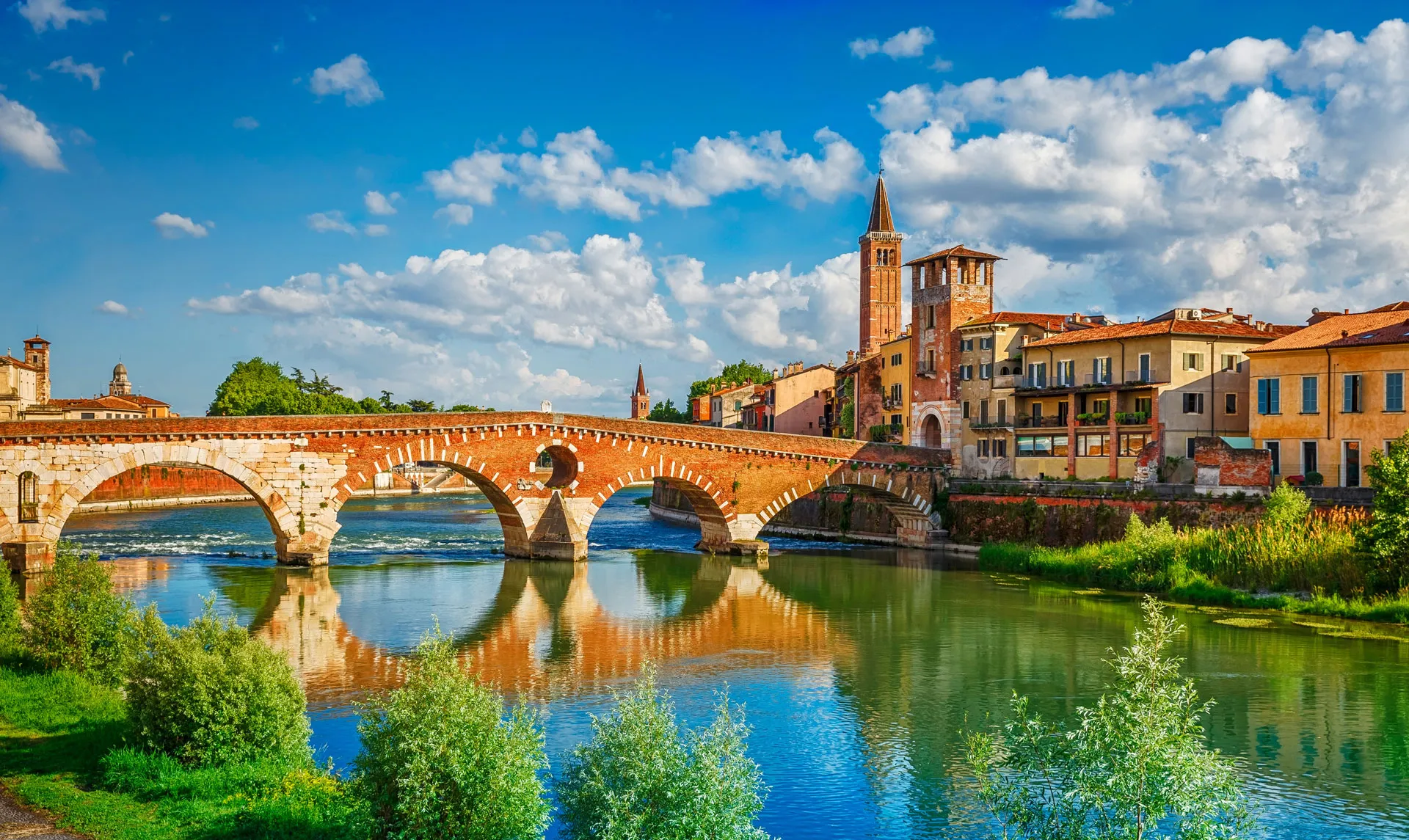
Urban Context: The Arena and the City
How the amphitheatre sits in Verona’s urban fabric — streets, river, and everyday life.
→
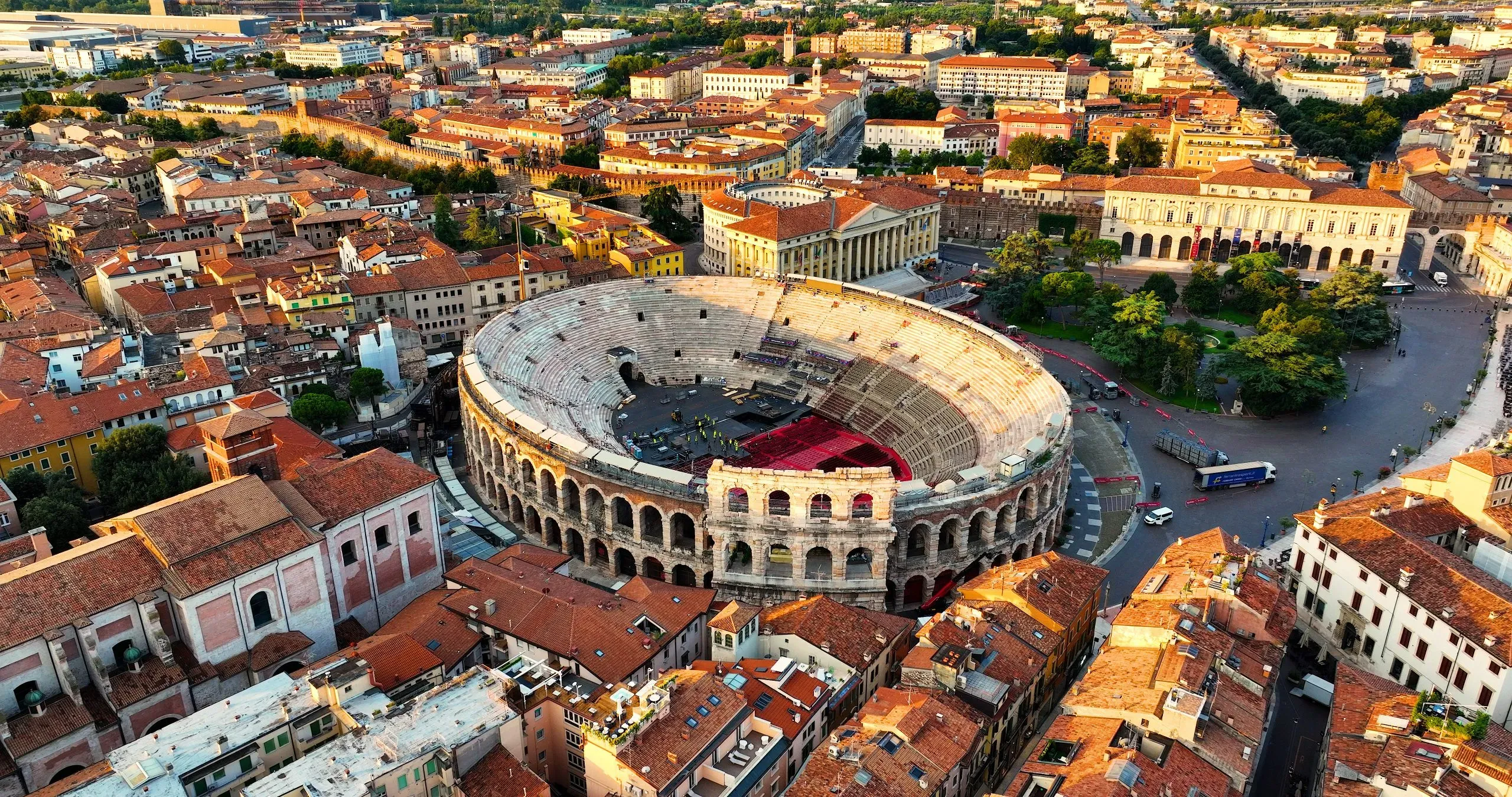
Preservation Today: Conservation Campaigns and Monitoring
From crack mapping to drone surveys, how contemporary conservation keeps the Arena healthy.
→
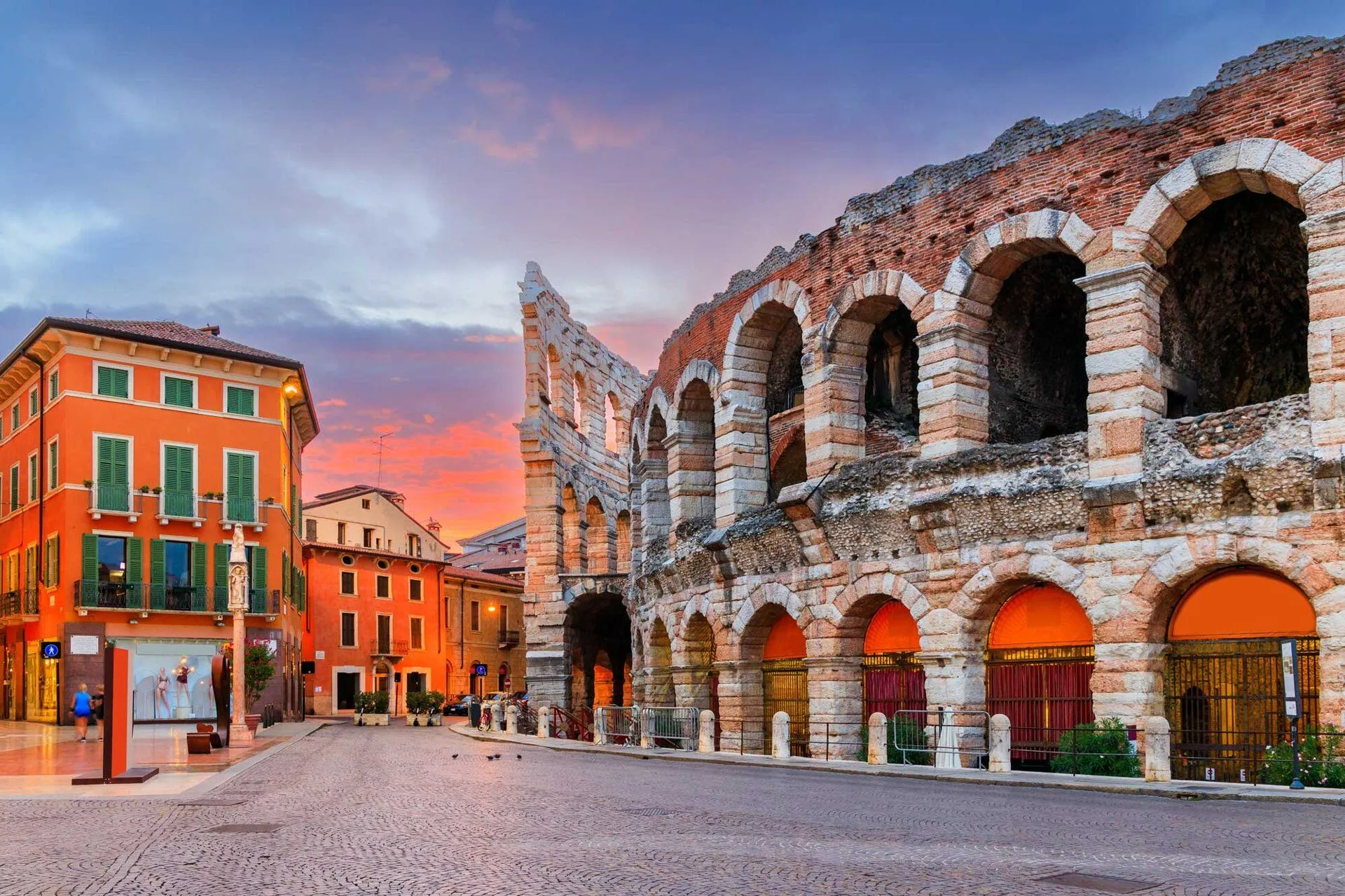
Sustainability in Operations: Energy, Materials, and Community
Energy retrofits, material care, and community impact — a sustainability lens on the Arena’s present.
→
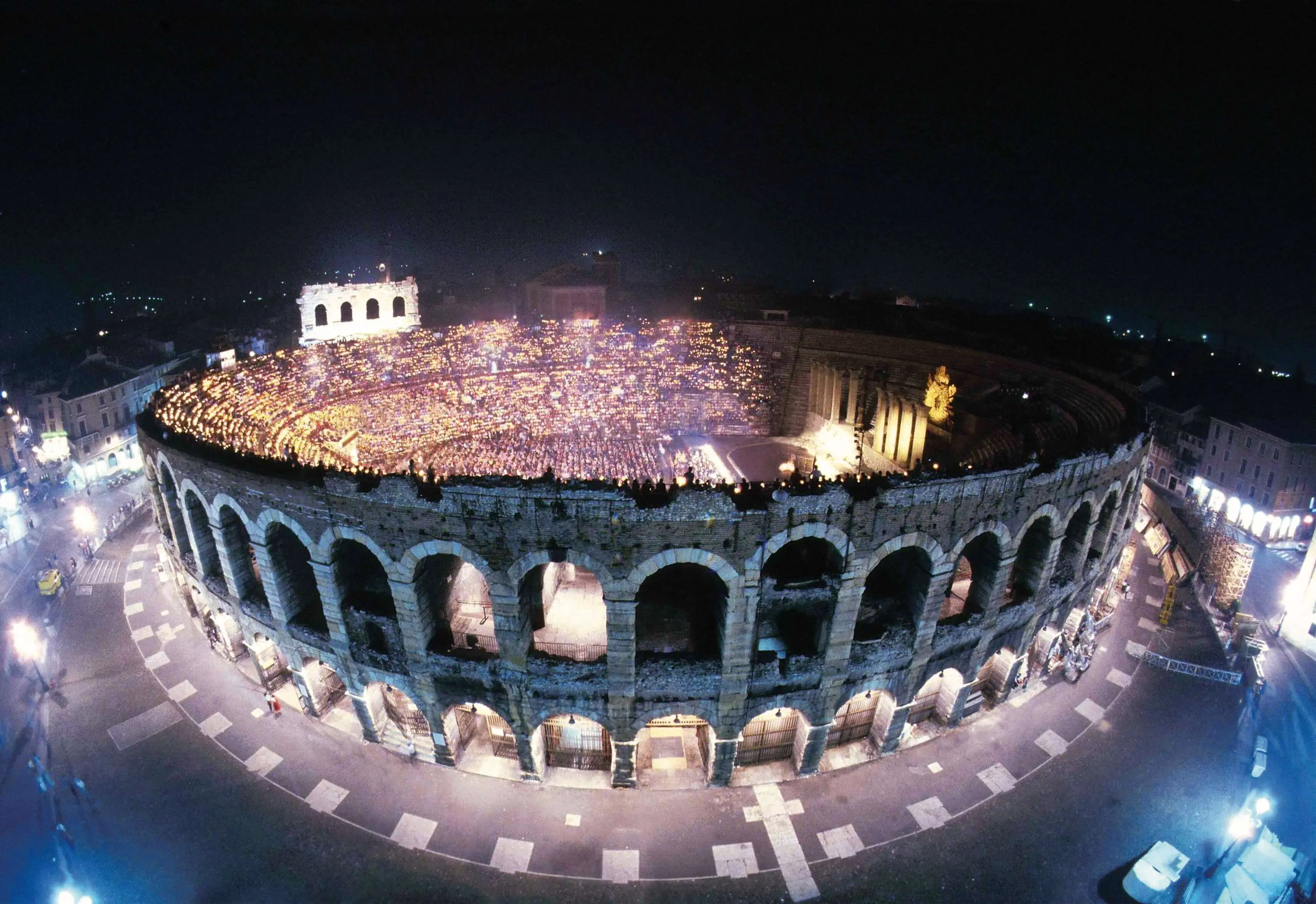
Famous Concerts: The Modern Era’s Big Nights
A curated look at landmark concerts and how production teams adapted the Arena’s unique setting.
→
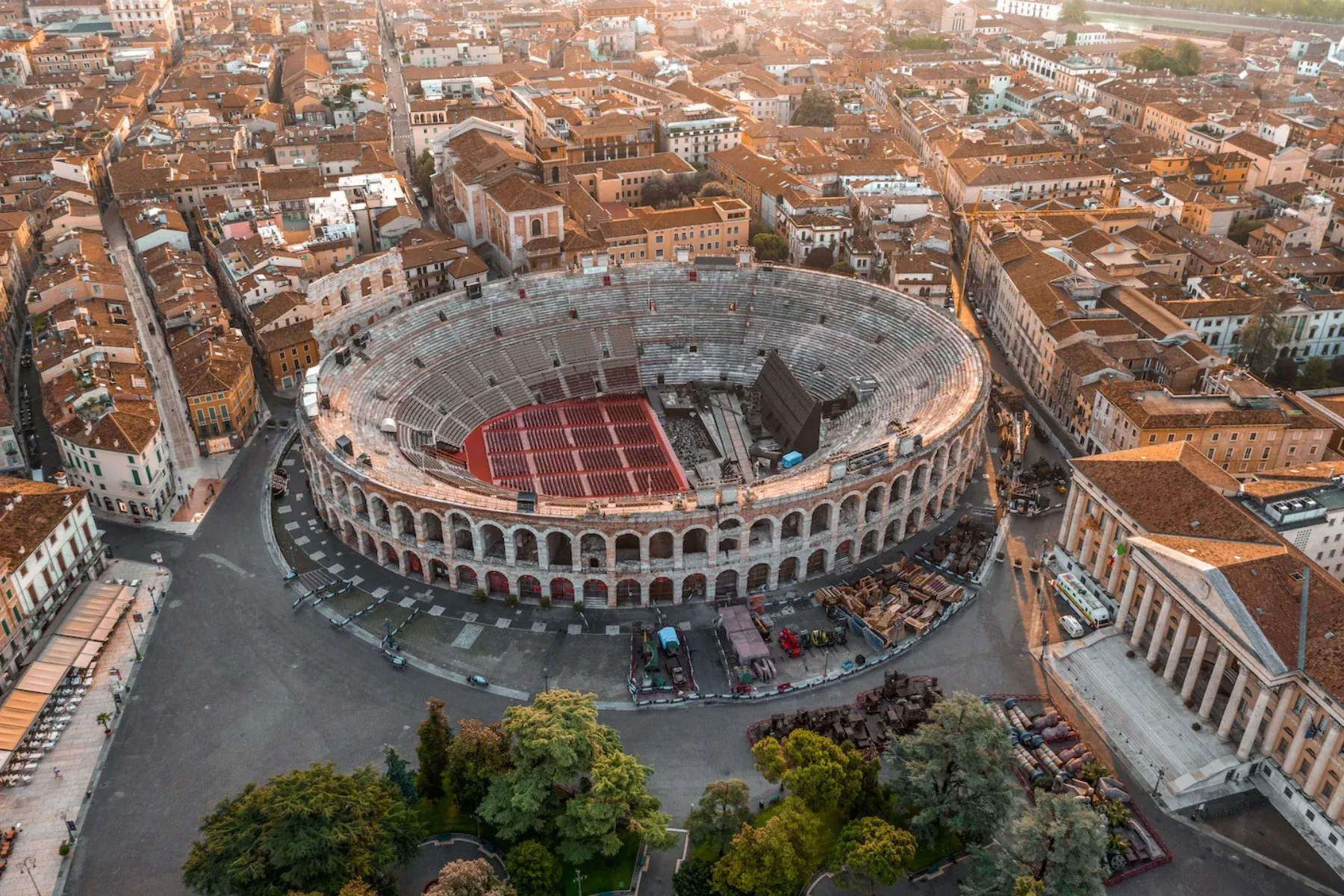
Aerial Views: Reading the Arena in its Urban Web
What aerial vantage points reveal about geometry, approach routes, and the amphitheatre’s city presence.
→
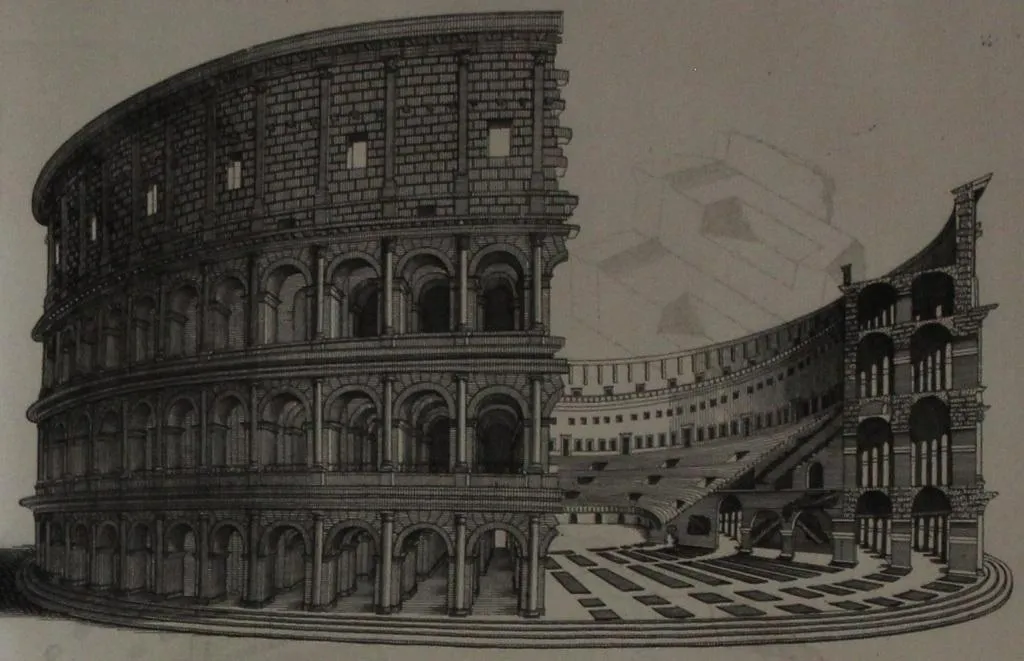
Interiors and Models: Planning Sets for Monumental Space
Scale models, mock-ups, and interior studies that prepare productions for the Arena’s unique constraints.
→
Stone Stands: Heritage, Comfort, and Adaptation
Balancing heritage stone seating with modern comfort solutions and reversible adaptations.
→
Sunrise and Mood: The Arena in Everyday Verona
Photographic notes on mornings around the Arena — commuters, light, and the amphitheatre’s daily presence.
→
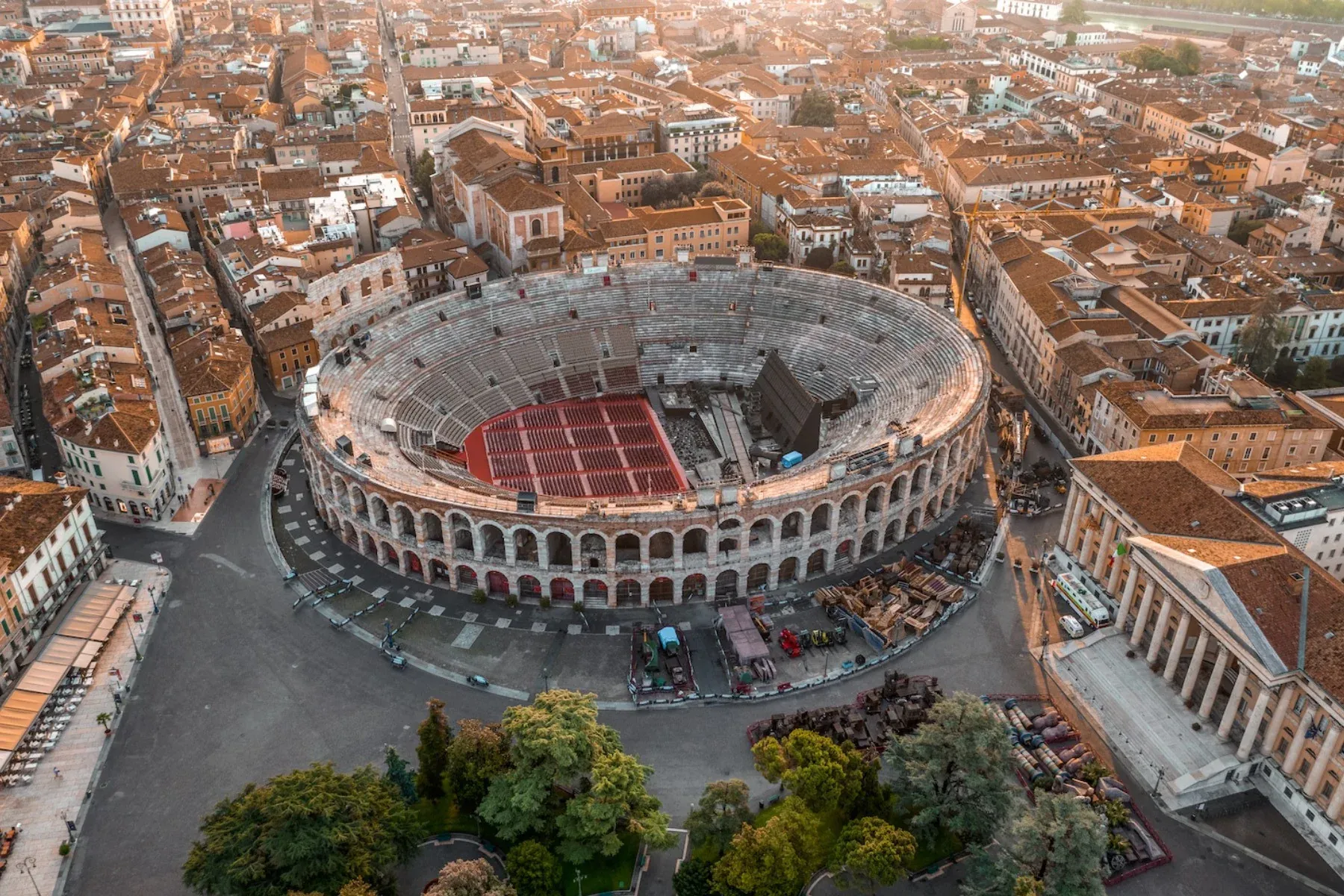
Approaches and Axes: Navigating the Arena
A mapping of approach routes, axes, and how first-time visitors experience the amphitheatre’s geometry.
→
Exterior Walls: Reading Texture, Joints, and History
A tactile and technical read of exterior stone: tooling marks, joints, and weathering signatures.
→
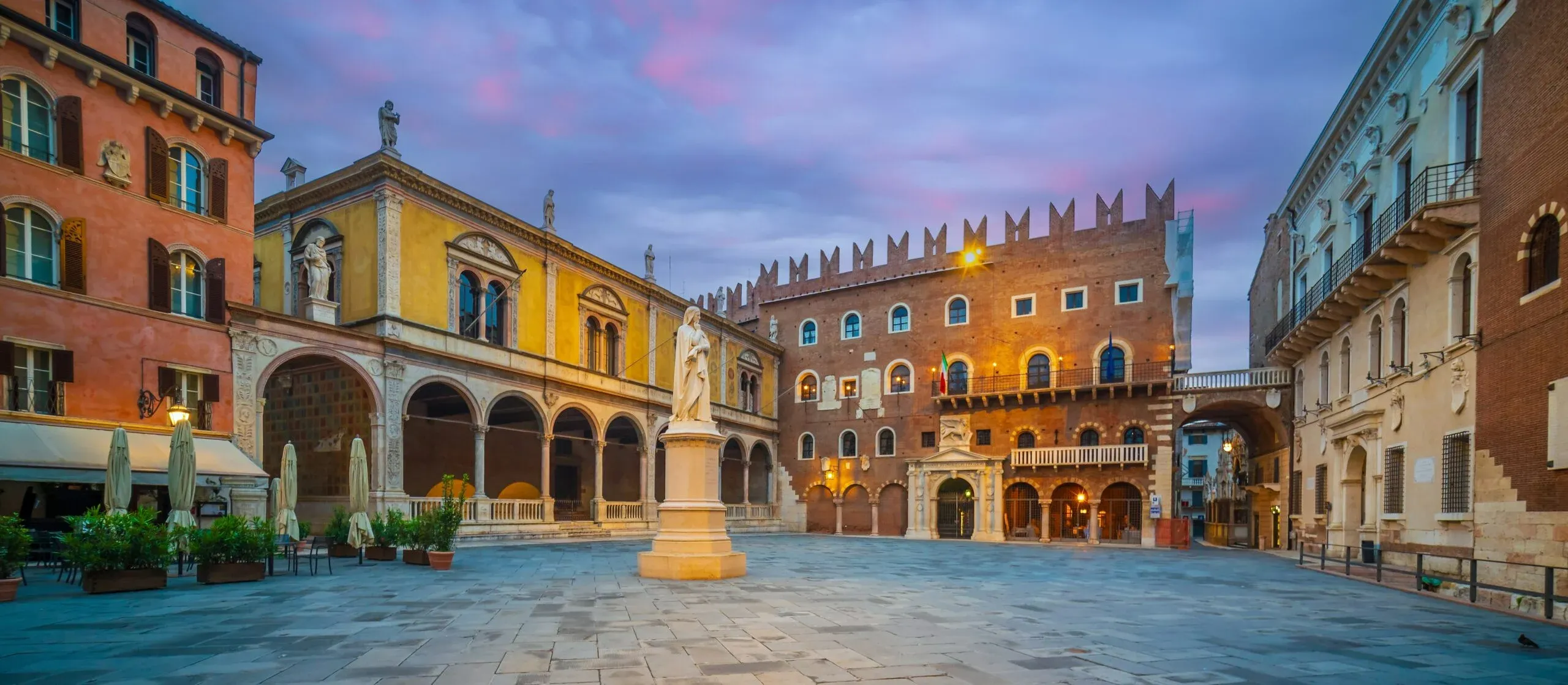
City View: Identity and Everyday Recognition
How the Arena reads in panoramas and postcards — identity, tourism, and memory.
→